
Healthcare is at an inflection point. While the industry has invested billions in digitization, too much of that investment has replicated yesterday’s paper-based processes in digital form. The result is not transformation; it is friction at scale.
Documentation has become a workforce crisis, consuming up to 40% of clinician time, costing health systems tens of millions of dollars annually, and driving burnout across clinical and administrative teams.
To move forward, health systems must confront an uncomfortable truth: we cannot automate our way out of dysfunction. The future of healthcare is autonomous—but autonomy requires a fundamentally different foundation. That foundation begins with the systematic elimination of sludge.
Defining Sludge: The Invisible Tax on Healthcare
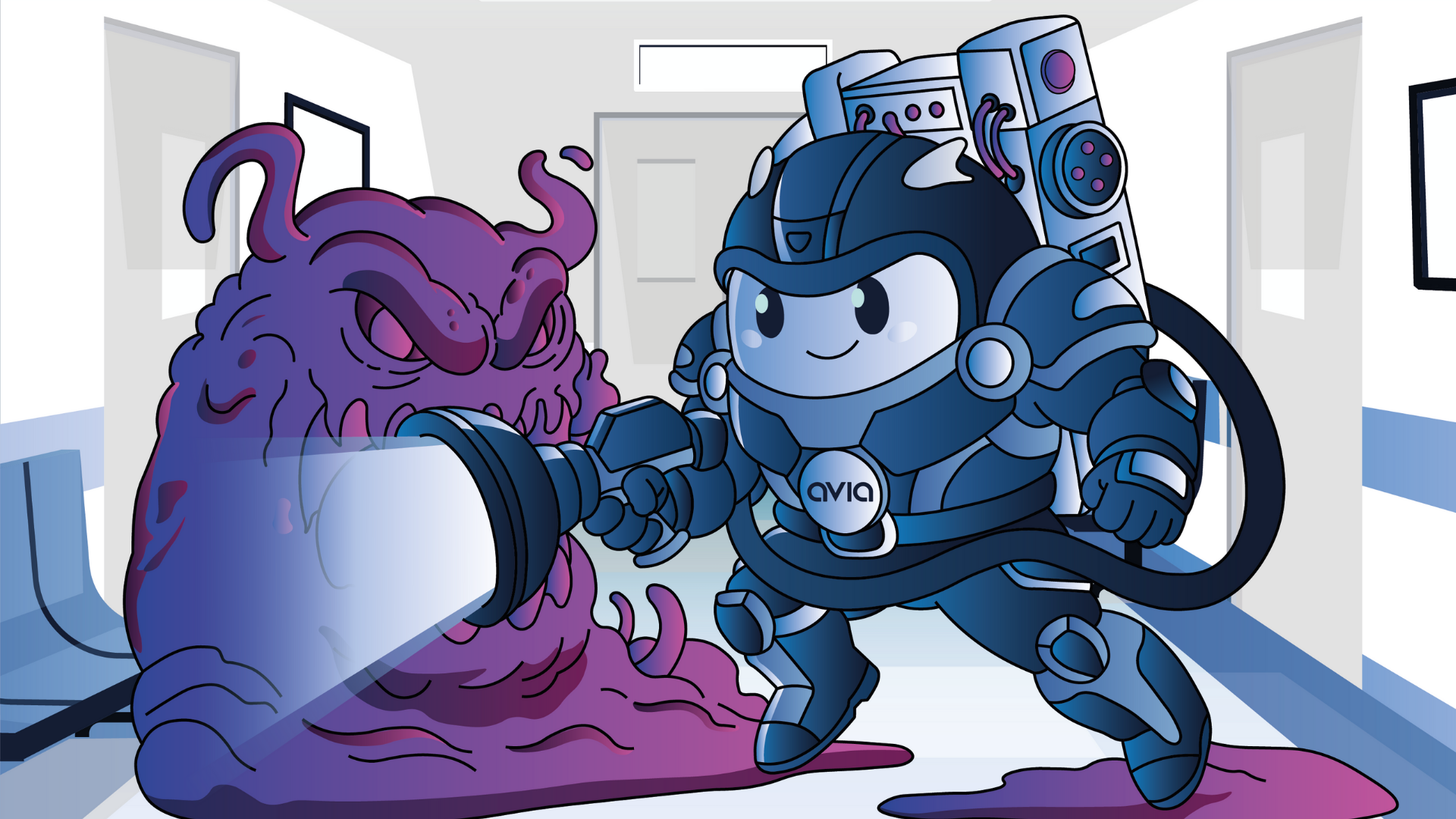
Sludge is any obstacle that introduces unnecessary cost, time, effort, or money into an otherwise beneficial process. In healthcare, sludge shows up as excessive documentation, redundant workflows, manual workarounds, and “unwritten rules” that persist simply because “we’ve always done it this way.”
Sludge is not benign. It normalizes absurdity and creates learned helplessness across the workforce. It degrades the care relationship by pulling clinicians away from the communities they serve, turning highly trained professionals into data clerks. Perhaps most dangerously, it remains largely invisible on balance sheets while quietly draining capacity, morale, and margin.
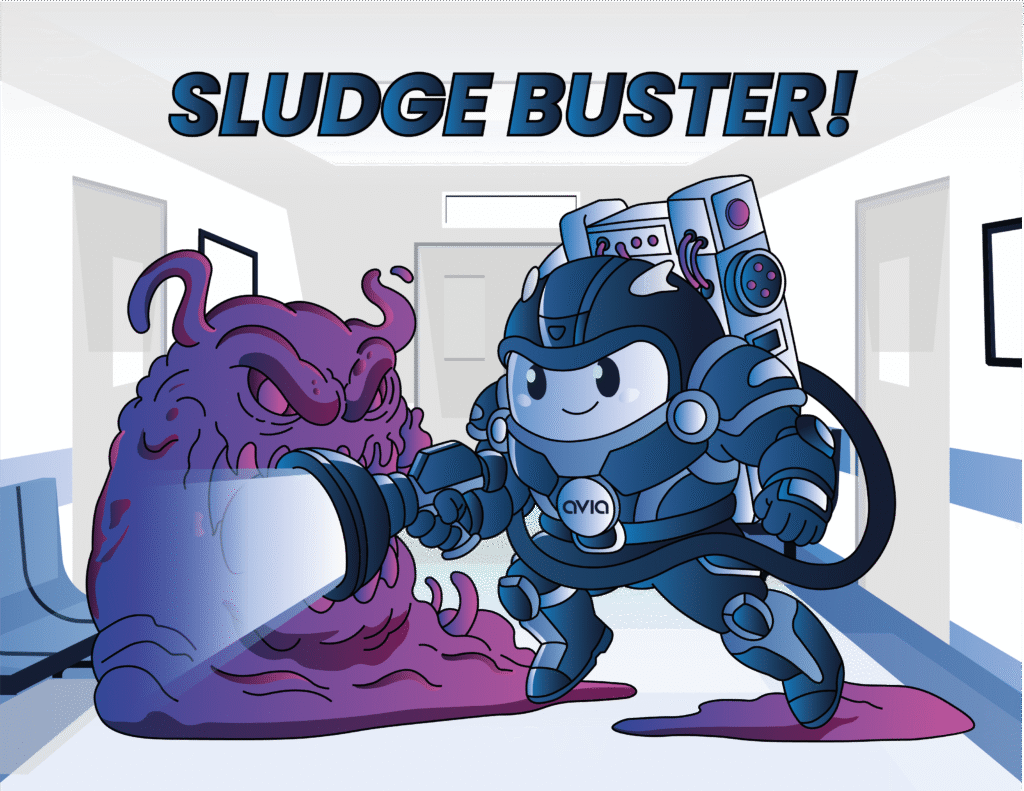
The data is sobering: half of all clinical text in the EMR is duplicated; 50–70% of workflows involve manual workarounds; and a majority of clinicians report increased work hours and burnout, directly attributable to EHR use. This is the hidden sludge tax healthcare has been paying for years.
What Is an Autonomous Enterprise?
An autonomous enterprise is not simply a digitally enabled organization or one that has deployed AI point solutions. It is an operating model in which workflows are intelligent, adaptive, and self-orchestrating, continuously optimizing based on demand, data, and outcomes.
In an autonomous health system, technology handles transactional work. Humans focus on judgment, empathy, and complex decision-making. Operations dynamically recalibrate. Capacity is unlocked and redeployed. The organization learns and improves in real time.
But autonomy is not achieved by layering AI onto broken processes. Deploying automation on top of sludge does not create autonomy; it creates expensive, automated chaos. Before health systems can scale agentic AI or self-managing workflows, they must first eliminate the friction that prevents those systems from working.
Sludge Elimination: The Critical First Step
AVIA’s vision is clear: collectively unlock 100 million hours trapped in documentation sludge and burden by 2030, enabling health systems to redesign workflows, optimize operations, and progress toward autonomy.
This requires more than incremental optimization. It demands a systematic approach to redesigning work, starting with documentation, one of the most pervasive and damaging forms of sludge in healthcare today.
AVIA’s methodology will apply the PEAR framework
- Preserve work that is necessary, proportional, and well-designed.
- Eliminate work that no longer serves a legitimate purpose.
- Automate work that should not require human effort.
- Redesign work that is necessary but unnecessarily burdensome.
This discipline forces organizations to separate what is truly required—from regulatory, safety, or clinical perspectives—from what is defensive, habitual, or assumed. It clarifies risk tolerance, governance, and change management, turning sludge from an abstract frustration into a measurable, actionable problem.
From Zero Documentation to Autonomous Enterprise
AVIA’s Hospital with Zero Documentation vision means the elimination of unnecessary documentation, the kind that exists solely to satisfy outdated processes, poor system integration, or risk-averse decision making.
Zero documentation is a strategic aspiration: a future state where documentation is right-sized, intelligent, and embedded seamlessly into care and operations. It is the foundation upon which autonomous workflows can emerge.
This is not a technology-first journey. It is an operating model transformation that spans strategy, workforce design, compliance, technology architecture, and measurement. It requires alignment across Finance, HR, Operations, Clinical, Risk, and Digital leadership—something few organizations can achieve in silos.
How AVIA Helps Health Systems Get There
Our role is not to sell tools or promote hype. We exist to help health systems do the hard work of applied transformation.
Through initiatives like the Zero Documentation Nexus Collaborative and the Industry Challenge, AVIA provides:
- Organizational alignment and shared language across the C-suite and operational leaders
- Proven frameworks and practical tools to audit, diagnose, and eliminate sludge
- Peer learning and expert perspectives drawn from healthcare and beyond
- Measurable impact, including quantified hours recaptured, FTE liberation, and validated business cases
By combining executive-level strategic alignment with operational capstones that drive real change, AVIA helps members move from pilots to scale—and from aspiration to execution.
The Imperative Ahead
The healthcare workforce crisis cannot be solved by hiring alone. Margin pressure cannot be fixed through incremental cost-cutting. And AI will not deliver value if deployed on top of chaos.
The path forward is clear: eliminate sludge, unlock capacity, redesign work, and build the foundation for autonomy.
The autonomous enterprise is not a distant future; it is a necessity. The organizations that act now will free their people to focus on what matters most: caring for patients, advancing their mission, and building resilient systems for the decade ahead.
At AVIA, we believe the future of healthcare is autonomous, and it