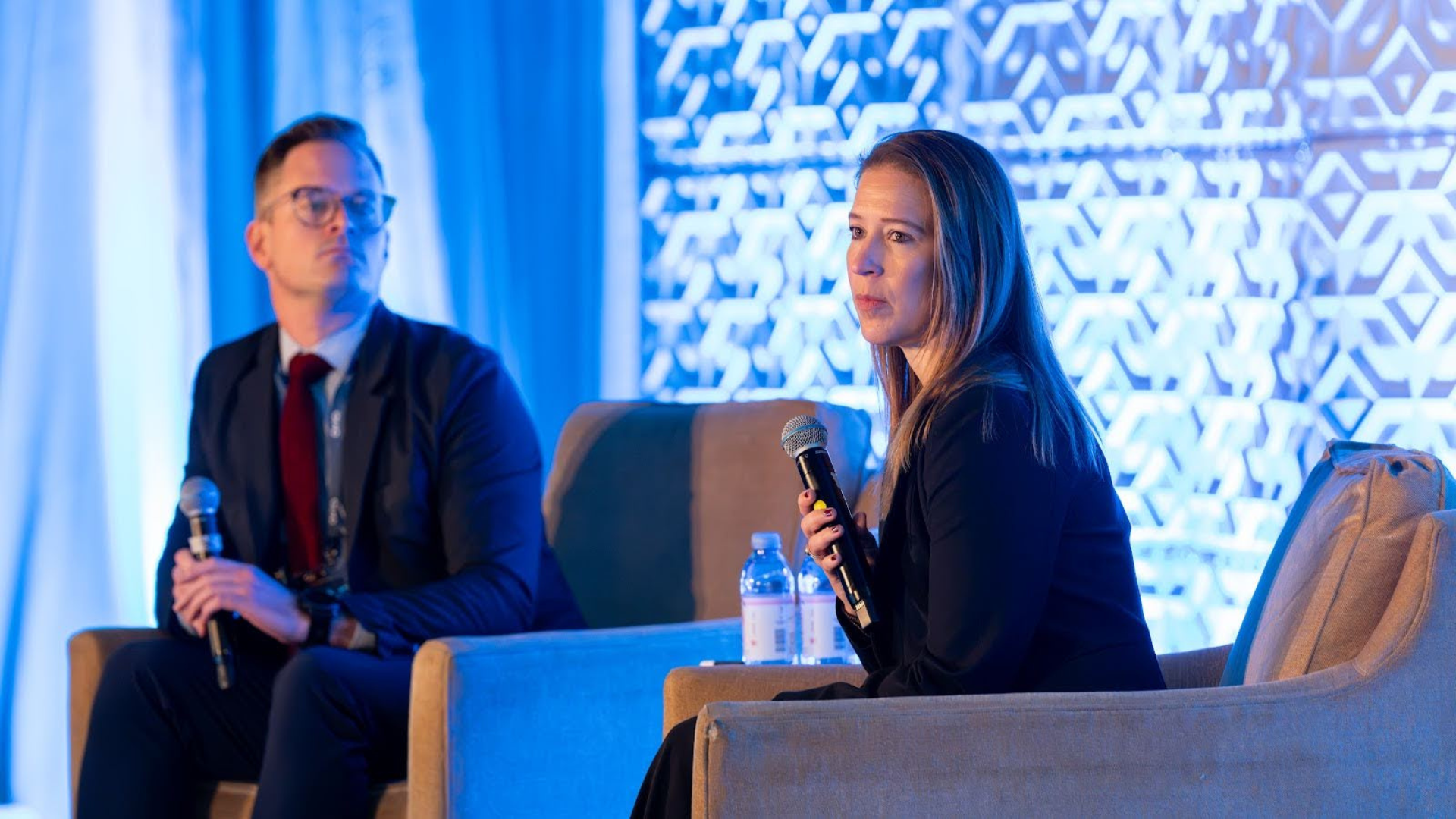


United Regional Health Care System (United Regional) in Wichita Falls, Texas, provides care to over 140,000 residents across nine counties and southern Oklahoma. United Regional stands as the community’s primary healthcare resource and largest private employer. With nearly 67,000 annual emergency department (ED) visits, they face the daily challenge of balancing high demand with the imperative to deliver safe, efficient, and compassionate care.
For United Regional, the opportunity for transformation began in an unexpected place: the ED. While most hospitals pilot virtual nursing programs in inpatient medical-surgical units, United Regional took a bold step by launching its first virtual nursing initiative directly in the high-stakes environment of the ED.
Leadership recognized both the challenge and the opportunity. They wanted more than a pilot; they wanted a strategy to transform the ED and lay the groundwork for innovation across the enterprise. That’s when they turned to AVIA, leveraging their Membership and the collective insights of the AVIA Network to chart the path forward.
Building the Foundation
Over eight weeks, AVIA worked hand-in-hand with United Regional to design a strong foundation for virtual nursing. Together, they conducted an in-depth walkthrough of ED workflows, pinpointed pain points, and surfaced opportunities to improve efficiency and patient experience.
The effort culminated in the Virtual Nursing Navigator, a playbook that went beyond recommendations to become a true roadmap for change. It included:
- A current-state assessment of ED workflows
- A future-state vision aligned to high-impact use cases and goals
- A tailored playbook with guiding principles, workflow scripts, operating models, and governance recommendations
This framework—shaped by AVIA’s expertise and perspective from across the AVIA Network—gave United Regional the clarity and alignment to move forward with confidence.
The Playbook in Action
Armed with their playbook, United Regional prioritized three high-value ED use cases: admissions, discharges, and patient monitoring. In a pivotal move, they chose to staff the virtual nursing program internally, keeping trusted nurses at the helm of the new model.
That decision proved critical. Patients responded positively to seeing familiar faces on screen, while nurses valued the opportunity to work in new ways without leaving the organization.
“We are well-prepared because our work with AVIA has provided valuable insight into our vendor’s capabilities, which greatly factored in during implementation.”
— Kim Stringfellow, Vice President and Chief Nursing Officer, United Regional
This blend of United Regional’s leadership and AVIA’s guidance ensured that the pilot wasn’t just technically sound, but embraced by staff and patients alike.
Measurable Results, Real Impact
Within months, the results were impossible to ignore. Nurses were gaining valuable time back at the bedside—time that could be spent directly with patients rather than juggling administrative tasks. By year’s end, more than 300 hours had been saved, freeing staff for the moments that matter most.
Medication reconciliation, one of the most critical yet error-prone tasks in the ED, became more accurate and consistent. Accuracy rates climbed to 83%, reducing risk and improving safety. Patient satisfaction scores also reflected the shift, with NRC scores rising to 67.5% in the ED overall and 68.5% for the virtual nursing experience.
Perhaps most telling were the “good catches” made by virtual nurses—moments when potential errors were identified and corrected before they could impact a patient. Each catch represented a patient safer, a family reassured, and a team more confident in the care they were providing.
These measurable gains reflected not just operational improvements but the payoff of AVIA’s frameworks, insights, and continued partnership in helping United Regional scale thoughtfully.
Scaling for the years ahead
The success of the pilot didn’t just prove the model—it inspired momentum. By mid-2025, United Regional had expanded virtual nursing into all 62 ED rooms and introduced it into a 24-bed inpatient Med/Surg unit.
The program also began to stretch beyond traditional nursing roles. Virtual case managers and pharmacists joined the platform, supporting high-risk patients and strengthening medication management. In the ED, the technology proved invaluable in high-consequence infectious disease rooms, where it enabled safe communication and observation. Translation services became available in every ED room, making care more accessible to patients and families across the community.
This wasn’t just scaling for scale’s sake—it was a thoughtful evolution, informed by lessons from the pilot, guided by AVIA’s continued support, and shaped by United Regional’s commitment to refining workflows as new challenges emerged. Leaders came to see virtual nursing not as a project with an end date, but as a capability to be woven into the very fabric of how care is delivered.